


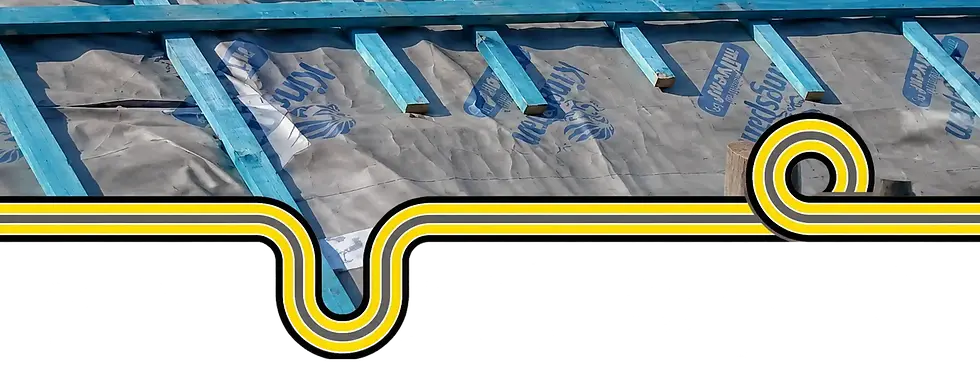


If you’re already facing the cost and disruption of replacing your roof, it makes sense to see it as an opportunity to make some real improvements to your home. With the right approach, re-roofing can improve comfort, reduce energy bills, protect the structure of your property and prepare it for future upgrades.
More Than A New Skin
A failing roof is often a sign of deeper issues. Loose or cracked tiles may allow water in, but problems can also lie beneath the surface. Timbers may have been weakened by long-term damp, insulation may be patchy or missing, and ventilation may be poor or non-existent.
Treating re-roofing as a whole-roof project allows these issues to be addressed properly. Once coverings are removed, the roof structure can be inspected and repaired where needed. Damp problems can be traced back to their source rather than patched over, and outdated details that no longer meet modern standards can be improved.
By tackling these underlying problems at the same time as replacing the tiles or slates, you avoid repeating work later and ensure the roof performs properly for decades to come.


Boosting Energy Performance At Roof Level
Heat rises, and in many homes the roof is one of the biggest sources of heat loss. Older properties often have thin or poorly fitted insulation or even no insulation at all. Re-roofing provides a rare chance to upgrade your insulation and ensure it’s up to modern building standards.
Improving insulation at roof level can make an immediate difference to how your home feels. Rooms below the roof become warmer and more stable in winter, and heating systems do not need to work as hard. Over time, this reduces energy use, lowers running costs and can improve your home’s EPC rating.
Insulation upgrades can be tailored to your property. Options include warm roof constructions, improved loft insulation or hybrid solutions, depending on the structure and how the space is used. The key is designing the insulation as part of the roof system, not as an afterthought.

Healthier Roof Build-Ups
A roof needs to manage moisture as well as heat. Many condensation problems in homes start in the roof, especially where insulation has been added without proper ventilation.
A healthy roof build-up balances airtightness with controlled airflow. This allows warm, moist air from inside the home to be managed safely, reducing the risk of condensation forming on cold surfaces. Breathable membranes, appropriate ventilation paths and moisture-aware detailing all help protect roof timbers and insulation over the long term.
Designing the roof as a breathable, well-ventilated system is particularly important in older buildings, where traditional materials were never intended to be sealed in the way modern construction sometimes is. A thoughtful approach reduces the risk of hidden damage and helps keep your home dry and healthy.
Detailing That Improves Comfort
Re-roofing also offers opportunities to improve how your home feels and functions. Careful detailing can transform dark or stuffy spaces into light, comfortable rooms. Rooflights can be positioned to bring in natural daylight without causing glare or overheating. Overhangs and shading can be designed to limit high summer sun while still allowing useful winter light to enter the property, while eaves and verge details can be improved to reduce draughts.
These design choices are not just about appearance. They affect temperature, light levels and comfort throughout the year. By considering them during re-roofing, you avoid costly alterations later and get more value from the work.
Ready For The Future
Even if you’re not planning to install solar panels or other technologies right now, re-roofing is the ideal time to prepare for them. Making small changes during the project can save significant time and money in the future.
Structural checks can confirm whether the roof can support solar panels or other equipment. Strengthening can be carried out discreetly if needed. Electrical routes can be planned so cables can be added later without disturbing finished spaces. Roof layouts can be designed with future installations in mind.
Keeping Disruption To A Minimum
Roof work can be disruptive, but good planning makes a big difference. A well-managed re-roof keeps your home safe, weather-tight and tidy throughout the process.
Scaffolding is designed to allow safe access while protecting your property. Work is sequenced so the roof is never left exposed to the weather. Clear communication helps you know what to expect each day, and a single coordinated team reduces delays and confusion.
Attention to site management also matters. Keeping materials organised, maintaining safe access and cleaning up regularly helps the project run smoothly and reduces stress while work is underway.
A new roof is a significant investment. Approached thoughtfully, it can do far more than replace worn materials. It can improve comfort, reduce energy use, protect the structure of your home and prepare it for a low-carbon future. Contact a member of our team today to find out about the roofing services we offer and how we can help your home achieve its full potential.

Is Your Roof Ready to Protect Your Home?
Your roof is more than just a cover; it’s your home's first line of defense against the elements. But is it performing at its best? From leaks to poor energy efficiency, an underperforming roof can cost you more than you think
Our free downloadable "Top Tips: Your Roof" guide is packed with essential information to help you understand your roof's vital role. You’ll learn how to spot signs of damage , when to consider an overhaul , and the benefits of solar panels for your energy bills and carbon footprint.