


What Is Floor Insulation And Do I Need It for My Property?

Updated: Feb 13
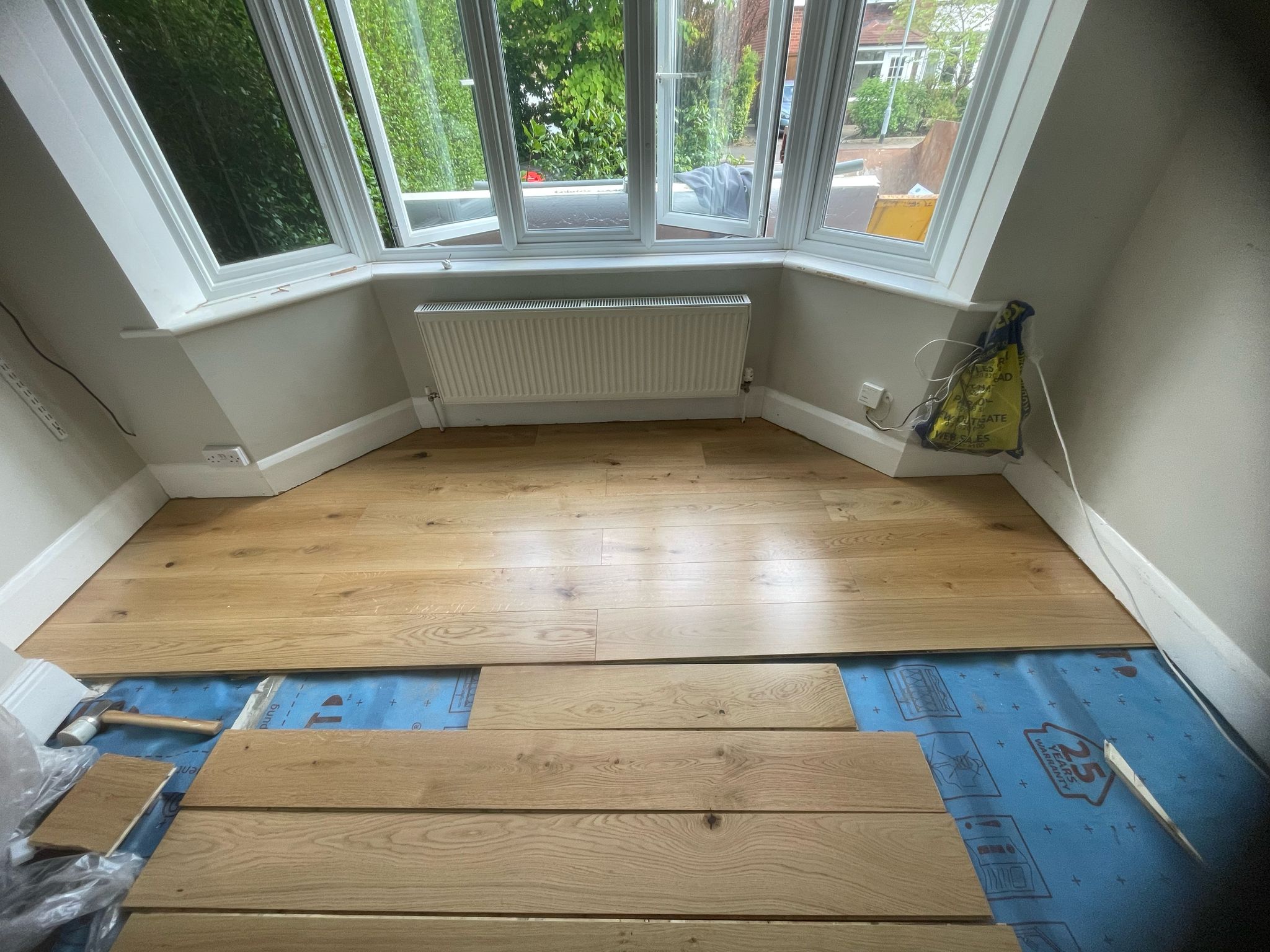
Heat loss due to poor or inadequate insulation can make a significant difference to the energy efficiency and comfort of your home. And like roofs and walls, floors are a key area where heat can escape. This is where flooring insulation comes in. If your home feels cold underfoot or you notice draughts coming through the floorboards, installing insulation could make a big difference to the comfort, efficiency and even value of your property. Getting a clear understanding of what floor insulation is, how it works, and whether it’s suitable for your home can help you determine if it’s a worthwhile investment.
What Is Floor Insulation?
Floor insulation is insulation that sits either beneath or above your flooring to reduce heat loss. The goal is to create a thermal barrier that prevents warm air inside your home from escaping and stops cold air from outside seeping in from below. In homes with suspended timber floors, insulation is typically fitted between the joists. For properties with solid concrete floors, insulation can be added on top of the concrete before fitting new flooring, or below during renovation work.
Modern eco-friendly floor insulation uses sustainable materials such as recycled fibre boards or natural wool. These not only help to reduce the environmental impact of your home, but also provide excellent thermal and acoustic performance.
Energy Savings
One of the main reasons homeowners choose to insulate their floors is to reduce heat loss and cut energy costs. Heat naturally moves from warm areas to cold ones, meaning it escapes through uninsulated floors into the ground below. By adding insulation, you create a thermal barrier that keeps warmth inside for longer.
This results in lower heating requirements, reduced energy consumption and smaller utility bills. Properly installed insulation can make a noticeable difference, particularly in winter when your heating system is working hardest. Over time, these energy savings can offset the initial installation costs, making it a good long-term investment.
Comfort Benefits
For many homeowners, the real benefit of floor insulation is the added comfort it provides. Cold floors and draughts can make even well-heated rooms feel chilly, especially in older homes with suspended timber floors. Adding insulation prevents these draughts and helps floors feel warmer underfoot, making living spaces more inviting.
The improved thermal balance helps maintain a consistent temperature throughout the home, reducing cold spots and making heating more effective. Additionally, insulation can help with soundproofing by reducing noise transmission between floors. This is particularly useful in multi-storey homes or flats, where footsteps and movement can often be heard between levels.
Best Suited Homes
While any home can benefit from improved insulation, certain property types stand to gain the most. Older houses with suspended timber floors are often the best candidates for flooring insulation. These floors typically have gaps between the boards that allow cold air to rise from the space beneath, leading to draughts and significant heat loss. In these cases, insulation can be fitted between the floor joists from below if there’s access to a crawl space, or from above if the floorboards are lifted.
Homes with solid concrete floors can also benefit, though installation may require more preparation. Insulation boards can be laid on top of the existing surface before new flooring is fitted, or incorporated during major renovation work. This method works particularly well when replacing old floors or carrying out underfloor heating installations.
Long-Term Value
Although installing floor insulation involves an initial cost, it delivers long-term value in several ways. Lower energy bills are one of the most immediate benefits, but the added comfort and warmth also enhance everyday living. A well-insulated home is easier to heat, retains warmth for longer and feels more comfortable throughout the year.
From a property perspective, improved energy efficiency can increase market value and appeal to potential buyers. Insulation can also contribute to a better Energy Performance Certificate (EPC) rating, which is increasingly important for property sales and rentals in the UK.
Do You Need It for Your Property?
If your home feels cold despite heating, or if you notice draughts rising through the floor, chances are your floors could benefit from insulation. Signs like cold patches, uneven room temperatures or high energy bills often indicate heat is escaping through the floor.
To determine whether insulation is suitable, consider the age and construction of your home. Properties built before the 1990s are less likely to have adequate floor insulation, while newer buildings may already meet current standards. A professional home energy assessment can identify heat loss areas and recommend the best insulation options for your property.
By reducing heat loss, preventing draughts and using sustainable materials, insulation enhances both the feel and performance of your home. Though it requires some upfront investment, the long-term rewards, lower bills, warmer floors and a more energy-efficient property ,often make it worth the money. Choosing the right insulation method for your property type can transform your living environment while contributing to a greener future.
Next Steps
For expert advice tailored to your property, please contact us to learn more about floor insulation options. Our experienced team can help you understand the best insulation solutions for your home, guide you through the installation process, and ensure you're making the most energy-efficient choices for your property and budget.



Comments