Internal wall insulation, in Nottingham.
Make your home more comfortable with internal wall insulation, an effective containment strategy that keeps more heat in your home, saving energy and making it cheaper to run.
We’ve been helping clients across Nottingham reduce heat loss, lower energy bills, reduce draughts and prevent condensation with this kind of remedial work since 2006.
Whether internal wall insulation is right for your home will depend on its construction, how it manages moisture and how you use your interior spaces. It is best suited to properties built before the 1920s/1930s that have solid brick or stone walls.
It can also be an excellent option for listed buildings where it’s not permissible to change the external appearance of the property.
Let’s find out more about our approach to solid wall insulation.
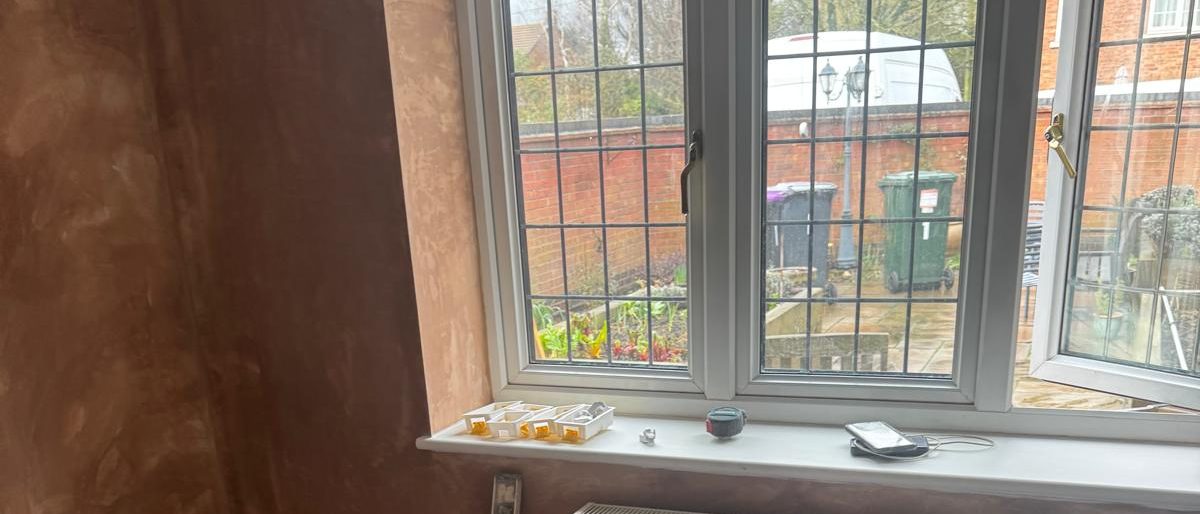
What are the benefits of internal wall insulation?
If you have a solid wall property and are unable to opt for external wall insulation, perhaps because you live in a conservation area, for example, or if the building is listed, internal wall insulation is an effective way to improve energy efficiency and reduce energy bills.
Key benefits include:
- Heat loss prevention, potentially saving you hundreds of pounds annually on heating costs
- A more comfortable living environment, with the house warmer in winter and cooler in summer
- A healthier house, thanks to reduced condensation and damp on cold walls
- Improved sound insulation, with loud noises from the street blocked more effectively
- No planning permission is required (although listed buildings will still need local council approval)
- Improved Energy Performance Certificate ratings, which can increase property values
Our initial site visit is particularly important if you’re considering internal wall insulation, as whether or not it’s right for you will depend on the available internal space, junctions, thermal bridges, moisture exposure and the condition/maintenance of the external walls.
Is internal wall insulation a good idea?
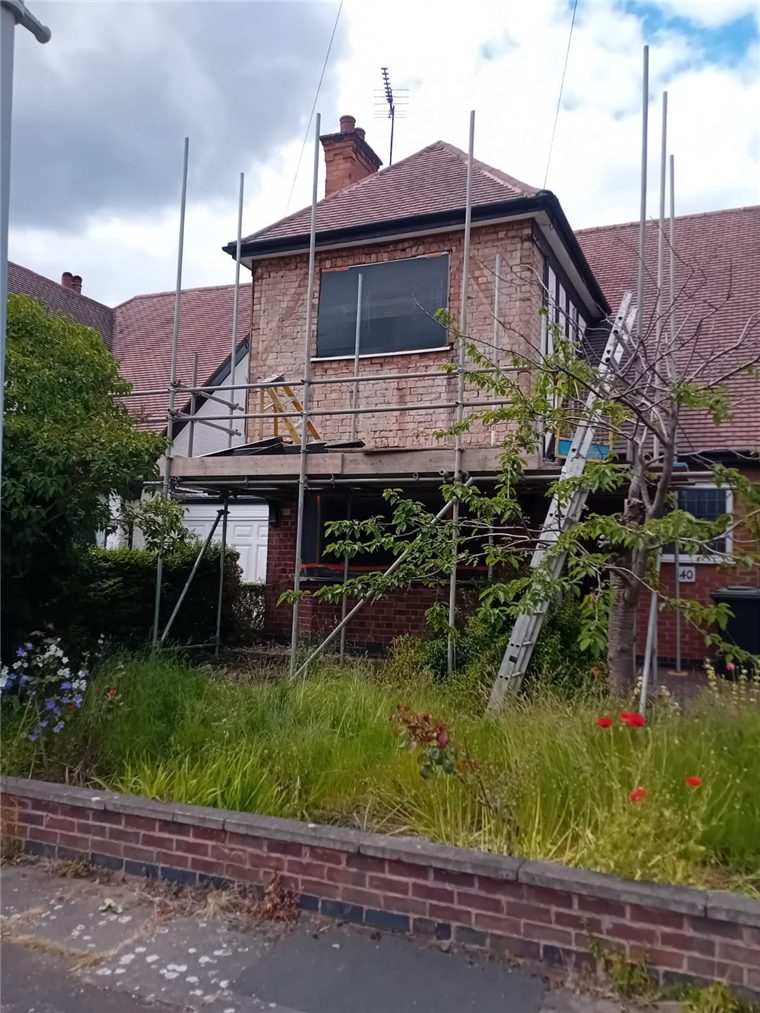
The homeowner reached out to Cobalt due to ongoing difficulty in heating the bungalow and retaining heat specifically in the primary bedroom. Despite being a relatively modern build, the bedrooms remained consistently cold and uncomfortable to live in during cooler months. The client wanted a clear diagnosis and an effective solution focused on their main priority area.
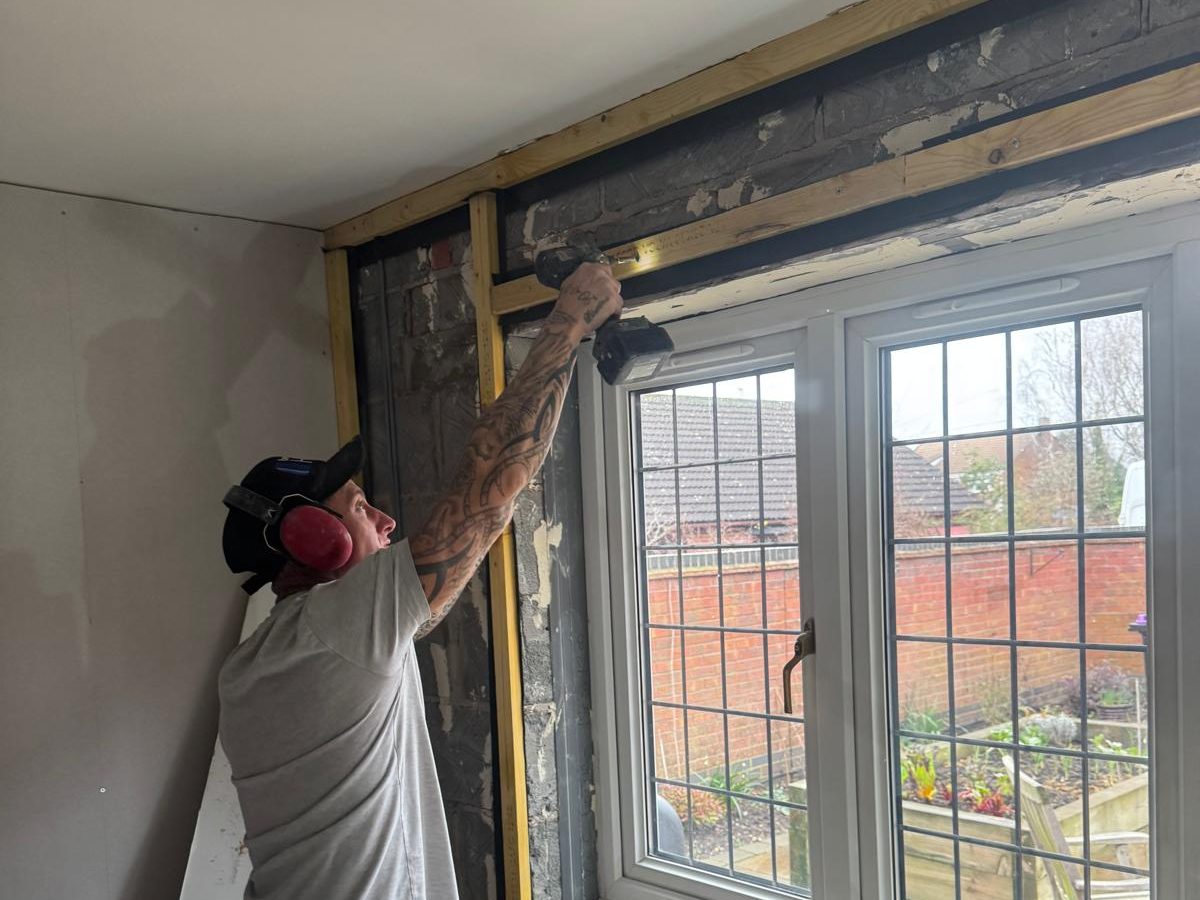 During the work
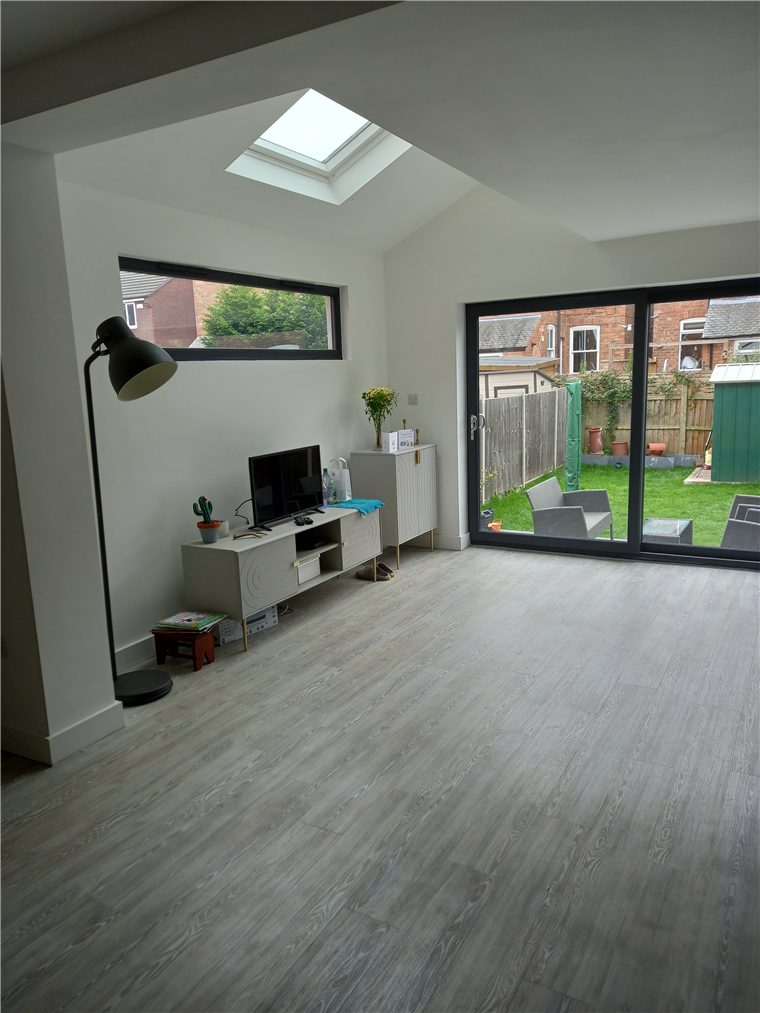
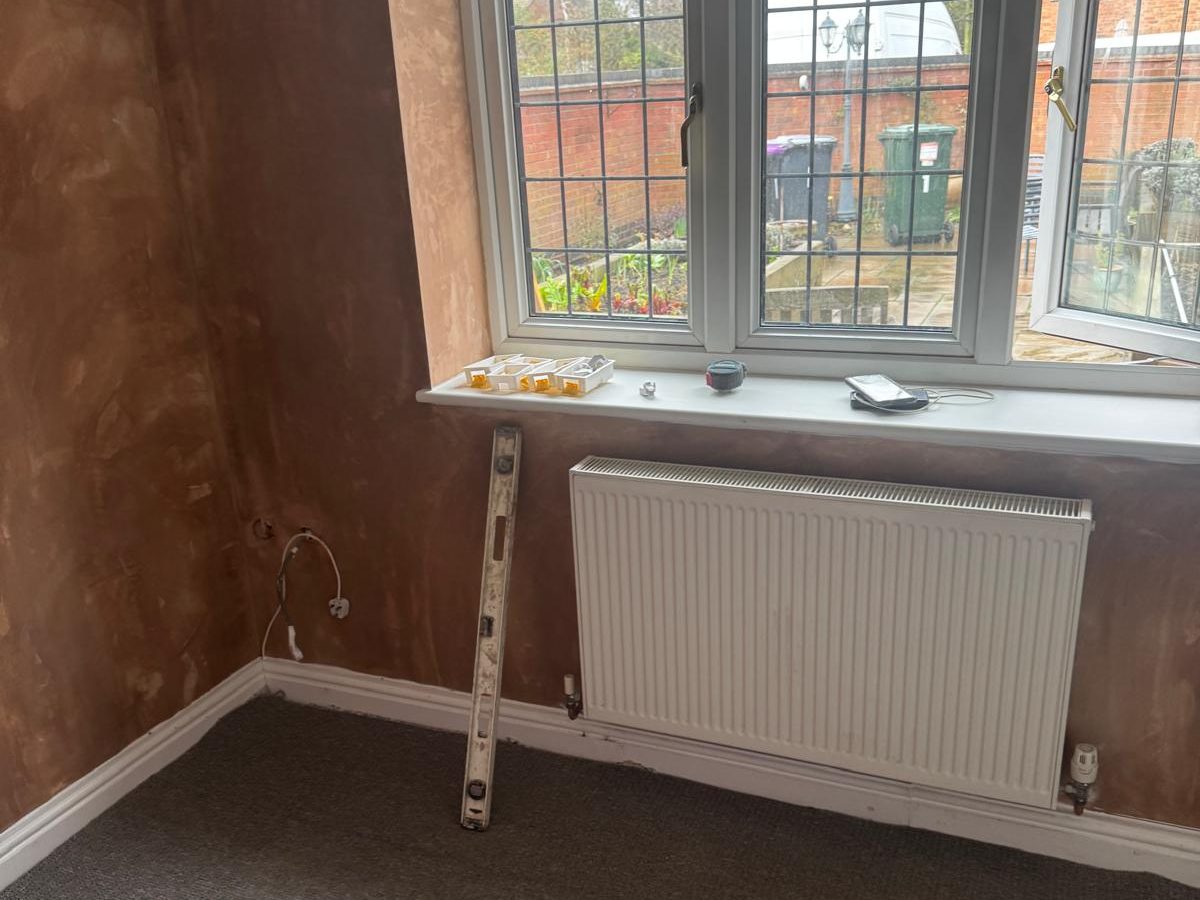 After the work
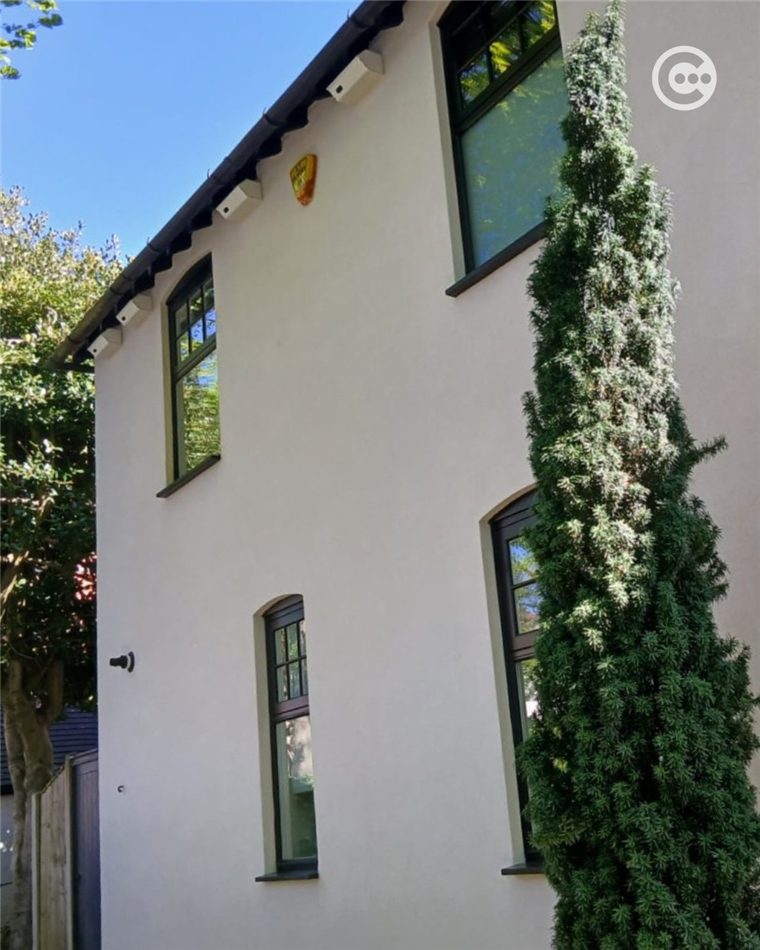
By selecting a targeted internal approach, Cobalt successfully transformed the property’s coldest room into a warm, energy-efficient sanctuary. Heat retention in the primary bedroom was immediately restored without compromising the clean, modern brick exterior of the bungalow.
What type of insulation is best for interior walls?
There are various options available to you for internal wall insulation and this is something we will advise you on during our site survey, depending on the type of wall we’re dealing with. Here are some of the materials available to you.
Bonded composite insulation boards
These feature a rigid foam insulation layer that’s laminated to a facing material, such as plywood or plasterboard, boosting thermal performance.
Relatively quick to install, these boards can help save internal space as they deliver high thermal efficiency with minimal thickness compared to other products, as well as providing a structurally sound surface that can be decorated immediately after installation.
Framed dry lining
This type of insulation involves mounting a timber or metal framework against an interior wall before adding insulation batts and finishing off with plasterboard.
It serves to improve thermal performance, reduce heat loss and lower energy bills, with other benefits including improved acoustic insulation and evening out of rough surfaces, but note that it is a more disruptive installation process and reduces internal space more than other options.
Can internal wall insulation stop condensation?
Internal wall insulation can significantly reduce surface condensation by blocking heat loss through exterior walls. Because this makes internal walls warmer, it reduces the risk of mould.
Good design and moisture management are key to ensuring project success. This is why we factor in ventilation before we begin, preventing any issues from manifesting. If you’d like to find out more, talk to the team today.
Spread the cost over months, or over years.
Carry out essential home improvements with one of our finance plans, choosing between interest-free credit spread over 12 months on orders up to £70,000 or fixed-rate finance over three to five years. Applications go through Ideal4Finance, with full details provided before you commit.
Related services
Connected measures that often work well alongside this one.