Hybrid wall insulation, in Nottingham.
Depending on your property and its situation, hybrid wall insulation may be the most appropriate choice if you’re looking to enjoy a warmer home, reduced energy consumption and lower bills, combining external and internal wall insulation to deliver the desired results.
For homes that have been extended and altered many times, different wall constructions may be in place, alongside different levels of existing insulation.
This is where hybrid design really comes into its own, bringing all elements together coherently while managing thermal bridges and junctions effectively.
We’ve been providing professional home insulation services to clients across Nottingham since 2006, with free no-obligation site surveys on offer so we can assess the job and advise you on the best course of action for you. Let’s find out more.
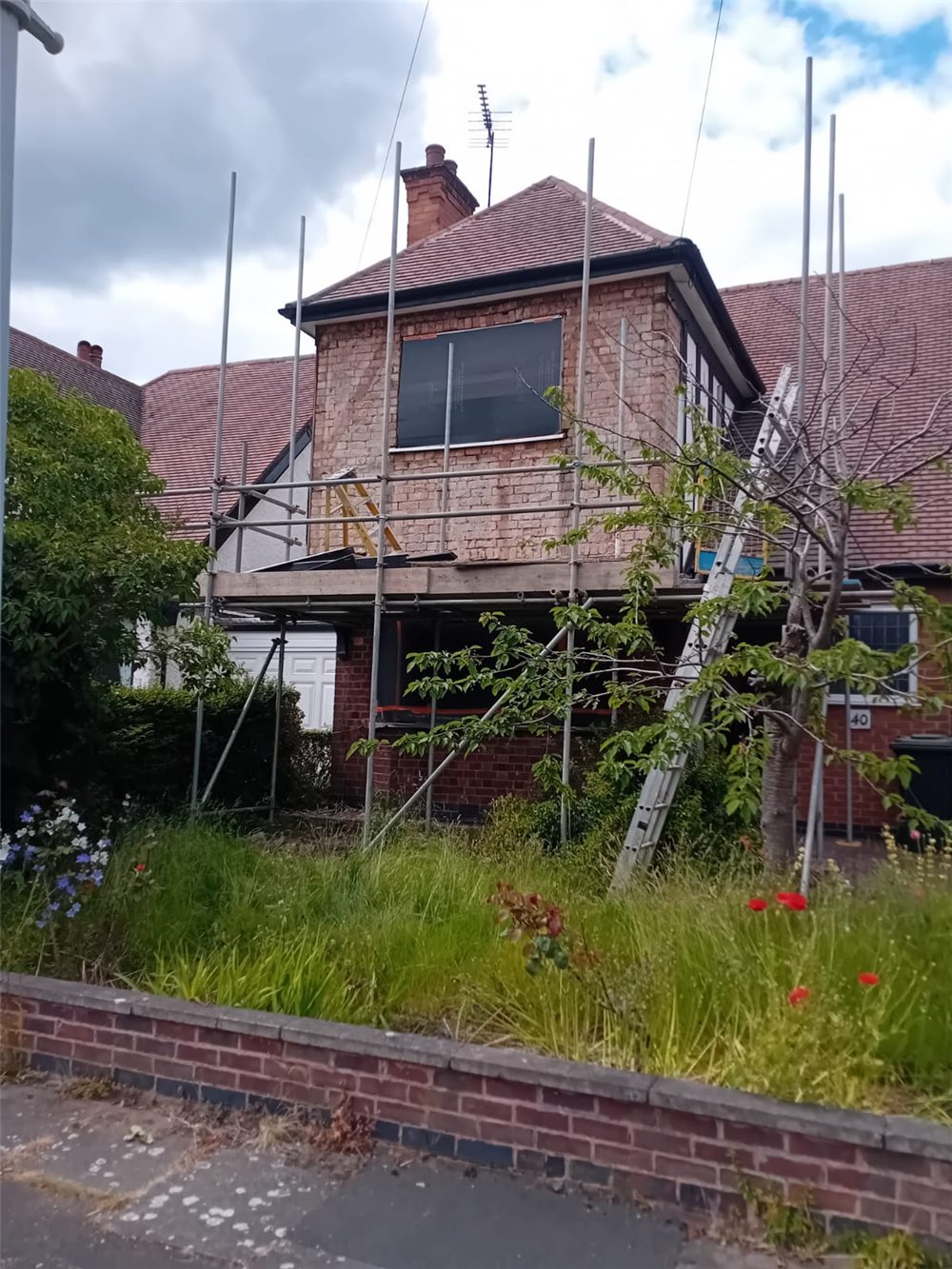
Priced as a combination of internal and external wall insulation, fixed after a survey
What is hybrid wall insulation?
As the name might suggest, hybrid wall insulation is the combination of internal and external insulation work.
It’s an excellent solution for those keen to insulate their solid wall properties but who are unable to change the exterior of the front facade because it’s facing a street, because they live in a conservation area, own a listed building or share a tight neighbouring boundary.
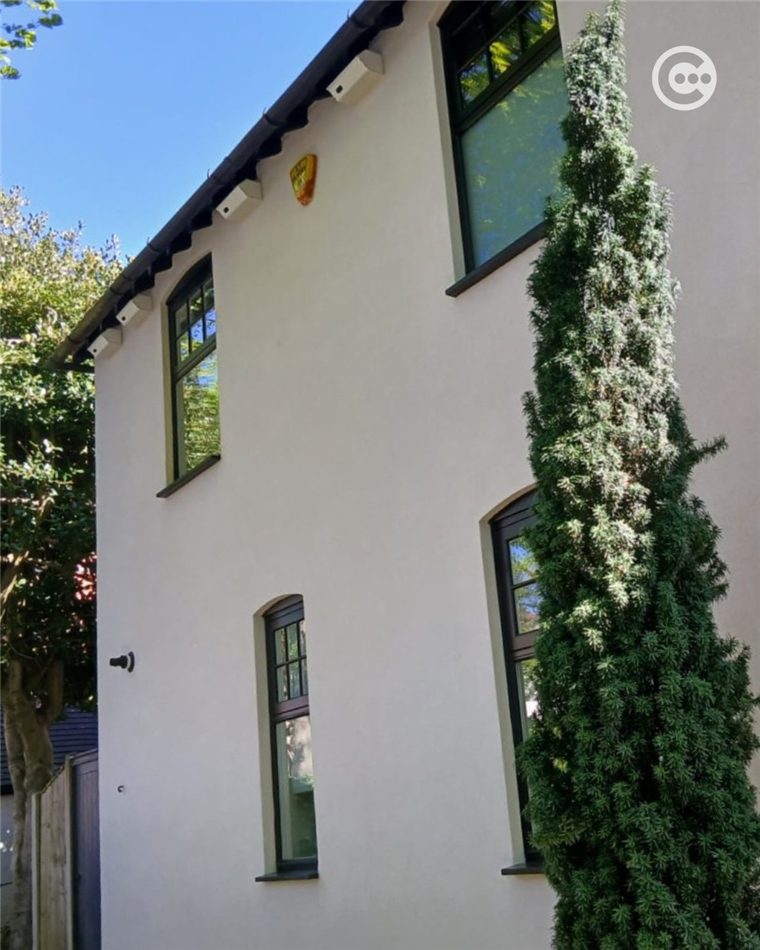
In this instance, insulation boards are installed on the external face of the rear and side elevation walls before being finished with either render or cladding.
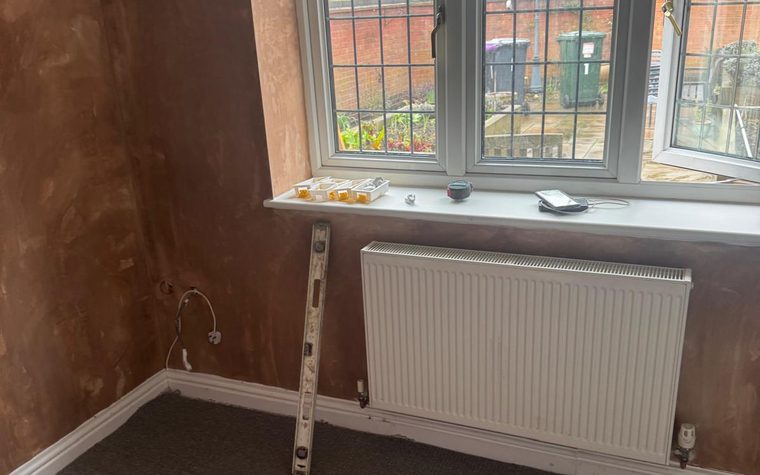
Inside, insulated plasterboard or linings are fitted to the internal walls of bedrooms and front-facing living spaces to ensure that the exterior of the property remains untouched.
Discover the benefits of hybrid wall insulation
The homeowners contacted Cobalt with an ambitious long-term vision: to future-proof their home, lower their carbon footprint, dramatically improve indoor comfort, and transition toward clean, renewable heating and power.
Recognising that renewable energy systems require a high-performing building shell to work efficiently, they engaged Cobalt to undertake a thorough fabric-first diagnostic and design a comprehensive insulation and renewable energy strategy.
 Before the work
 After the work
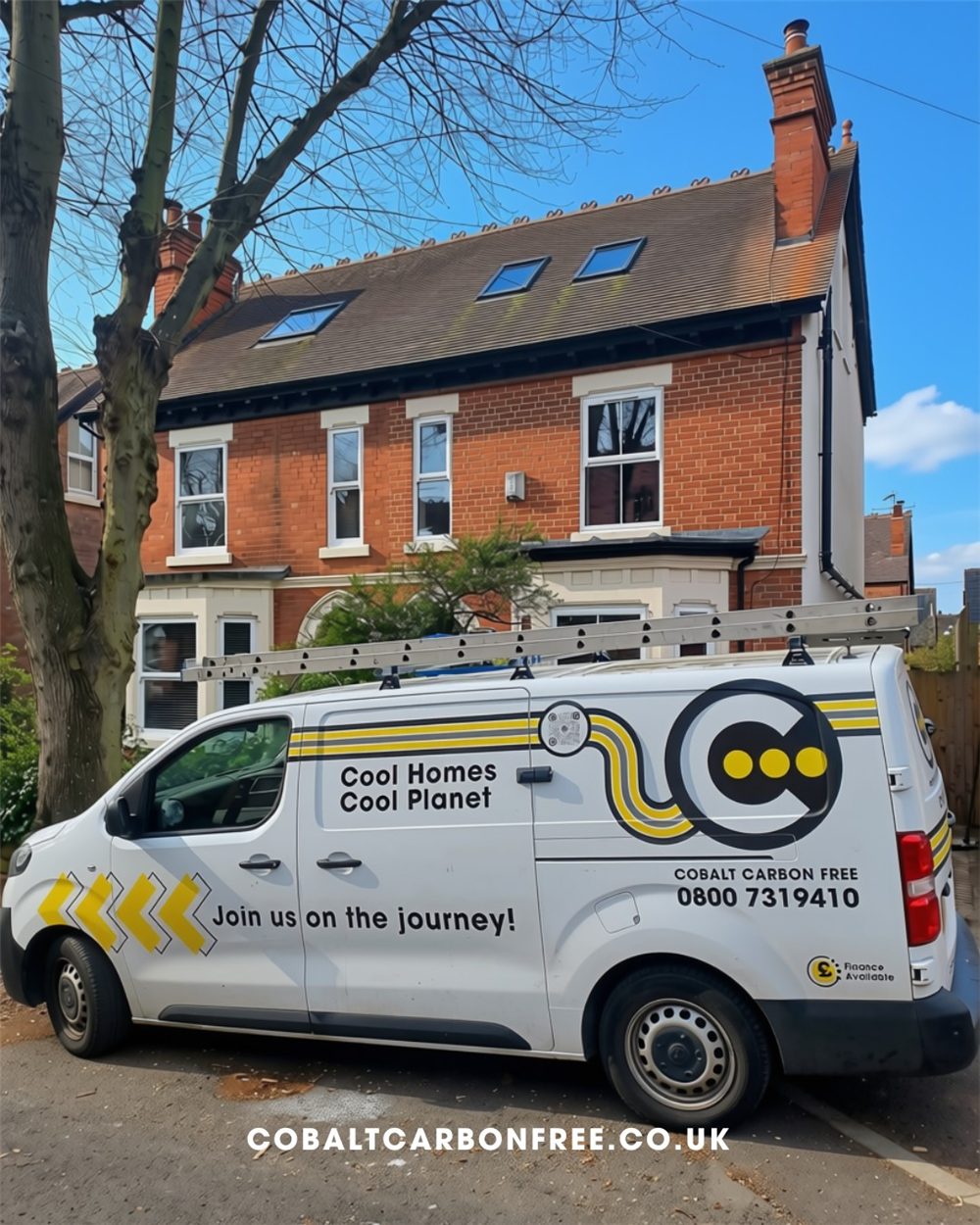
This complex hybrid project successfully transformed a 120-year-old Victorian property into an energy-efficient, self-generating home. By combining a new warm roof, hybrid wall insulation, and in-roof solar with battery storage, Cobalt delivered exceptional comfort, lower bills, and modern clean power while fully respecting the building's historic character.
What to look for in home insulation materials
Different types of insulation materials serve different purposes and it’s important to choose the right products for separate aspects of the work. Material choice depends on required thermal performance, available space, substrate and overall design.
We will advise you throughout the process, of course, but here are some of the main features to look out for.
Fire rating
Always check the combustibility ratings of your chosen material to ensure that you remain compliant with local building regulations.
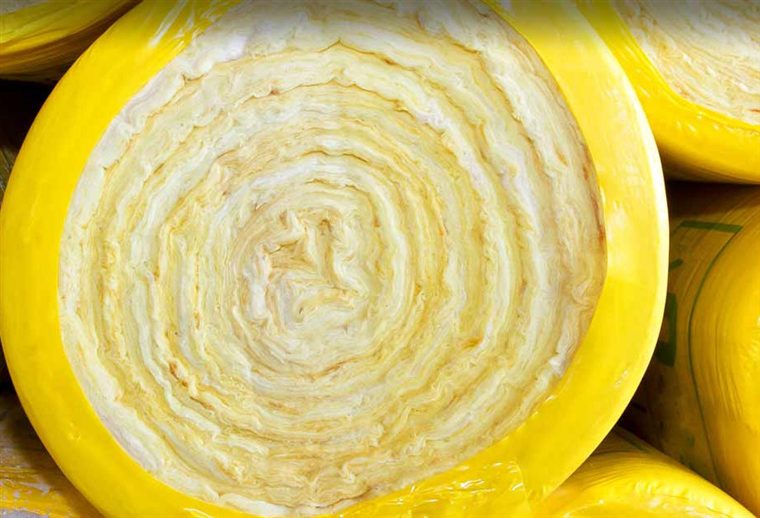
Mineral wool, for example, is naturally noncombustible, delivering strong fire resistance for walls and roofs. We factor fire rating in from the outset before any construction work is begun.
Thermal performance
This involves verifying how well your preferred material stops heat transfer, measured as a U-value or R-value per millimetre.
Phenolic foam and PIR rigid boards are good choices for tight spaces, as they deliver good thermal performance in thin layers, whereas the likes of mineral wool and glass fibre would need to be thicker to achieve the same results.
Sound insulation
If you know you hear a lot of intrusive road noise from outside or if sounds reverberate throughout the house, room to room, the acoustic absorption capabilities of your insulation material should be considered as a priority.
Both mineral wool and wood fibre are particularly effective at dampening sound, so these would both be good options to take into account.
Breathability
This is one of the most important factors to consider, as it allows water vapour to move through the walls and roofs, instead of trapping it inside, which can lead to damp and condensation.
Good materials to investigate in this regard include sheep’s wool and wood fibre, both of which support good acoustic damping and natural moisture regulation.
Moisture resistance
Your insulation material needs to be resistant to moisture so that its thermal performance isn’t affected. This will dictate the lifespan of your installation work, while preventing damp, mould and water damage.
Mineral wool, fibreglass, wood fibre and calcium silicate are all good at managing moisture, while phenolic foam, PIR boards and extruded polystyrene are actively moisture resistant.
Sustainability
There are various environmentally friendly insulation materials to consider, including cellulose, sheep’s wool (which is renewable and non-toxic), hemp (fast-growing and low impact) and wood fibre (carbon neutral and recyclable).
The likes of plastic foams (EPS, XPS and PUR/PIR) have the biggest environmental impact because of high embodied carbon, their petrochemical base and the fact that they can’t be recycled.
Should home insulation be professionally installed?
Internal, external and hybrid solid wall insulation work should always be done by qualified and professional installers to prevent issues such as structural damage, dampness and trapped moisture.
Our team ensures that all building regulations are adhered to, including moisture controls and appropriate ventilation, with guarantees and warranties supplied as standard for 25 years.
For complicated and/or mixed-construction properties, our initial site survey will prove invaluable, ensuring that we’re able to advise you on the most appropriate course of action for your specific situation.
Spread the cost over months, or over years.
Carry out essential home improvements with one of our finance plans, choosing between interest-free credit spread over 12 months on orders up to £70,000 or fixed-rate finance over three to five years. Applications go through Ideal4Finance, with full details provided before you commit.
Related services
Connected measures that often work well alongside this one.