Home insulation, in Nottingham.
Ensuring that your home is well insulated is the first line of defence against spiralling energy bills, with heat loss reduced in a range of ways to make your home more efficient to run and cheaper to heat.
Our home insulation services have kept Nottingham residences warm, snug and cost-effective since 2006. Here’s how.
What are my home insulation options?
Homeowners looking to insulate their properties will find that there are various options available to them and the most appropriate one will depend on what part of the house they’re looking at, whether that's the loft, floor or walls.
We cover external insulation, internal insulation and a hybrid combination of the two, tailored with individual properties in mind to address the specific issues they’re facing.
This is why initial home surveys are so important, to ensure that the most appropriate approach is followed based on each site’s construction, thermal bridges, general condition, occupation, future plans and budget.
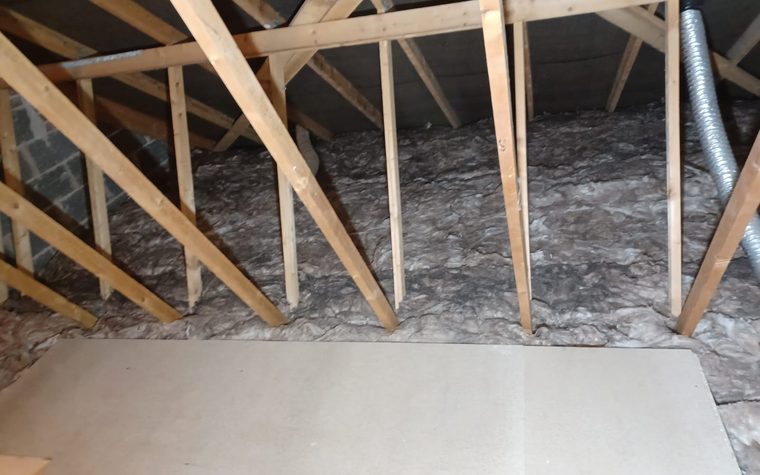
Common materials include insulation boards (rigid foam, made from phenolic foam, polystyrene or PIR), batts, slabs and blanket rolls (made from glass wool, sheep’s wool or mineral/rock wool, which all fit easily between timber studs and ceiling joists).
Home insulation that lasts
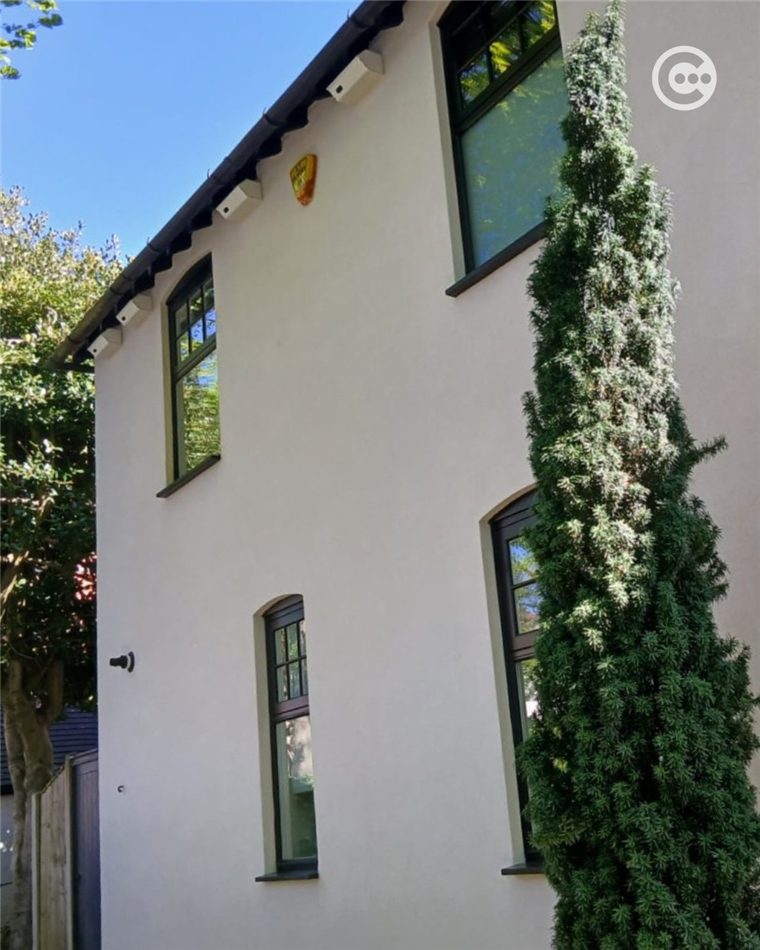
The homeowners were recommended to us by two close friends of theirs who we had previously done work for. They found a noticeable discomfort and inefficiency gap between the old and new sections of the property.
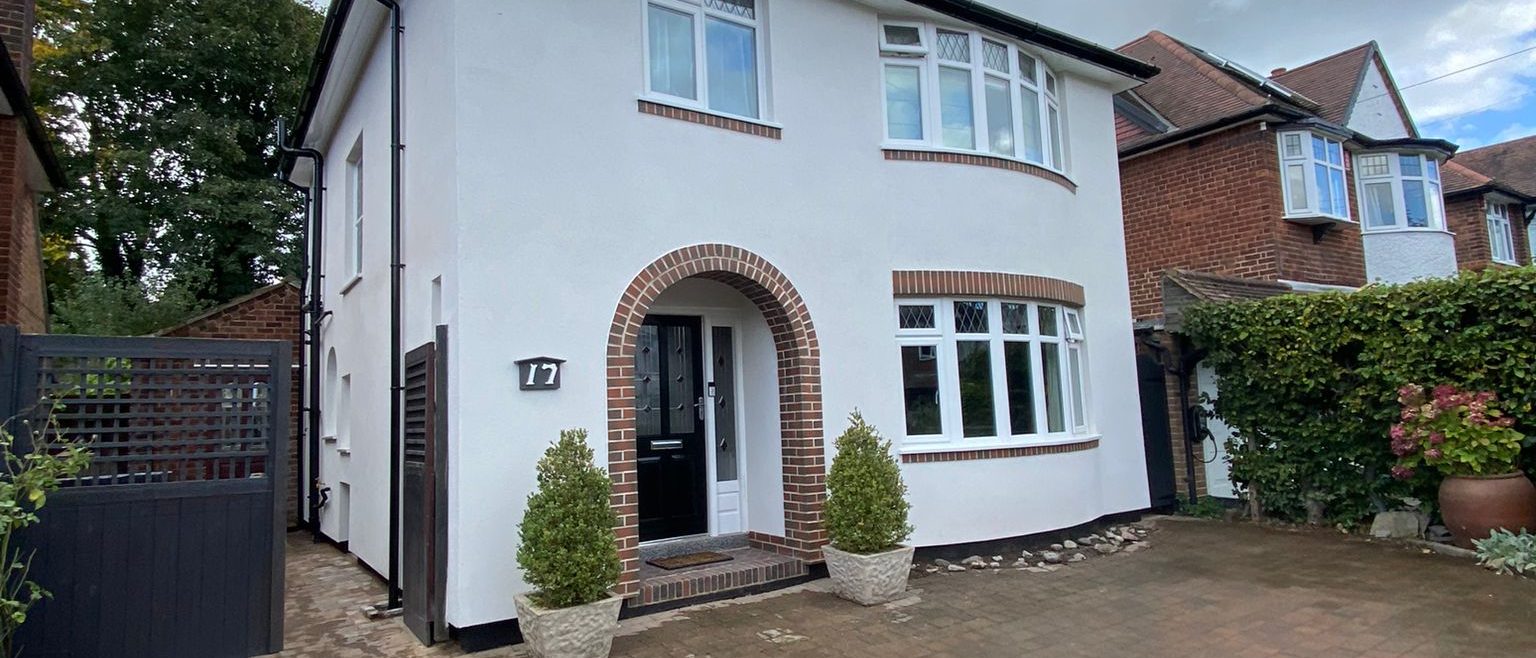
The project was completed in March & April 2026. The transformation delivered a modern, highly energy-efficient thermal envelope with a unified, striking exterior aesthetic.
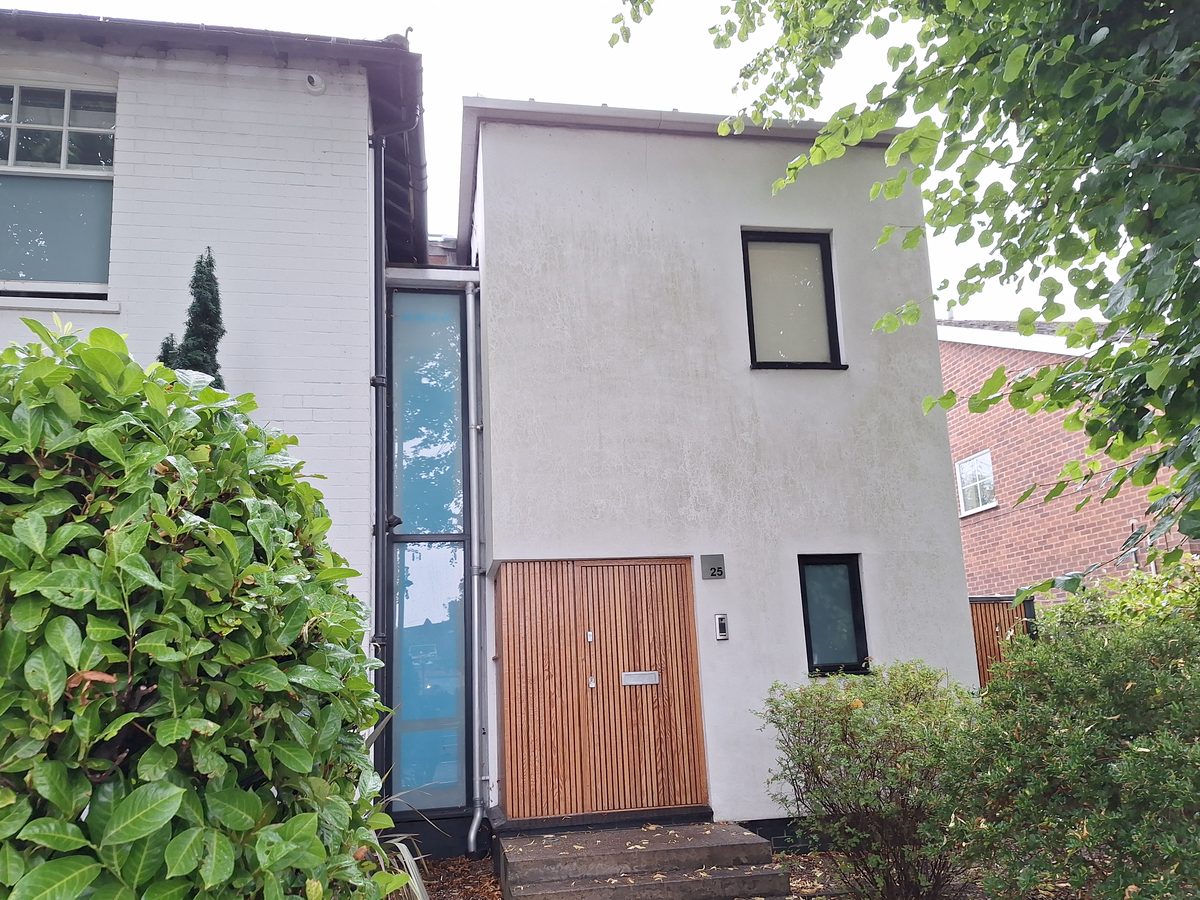 Before the work
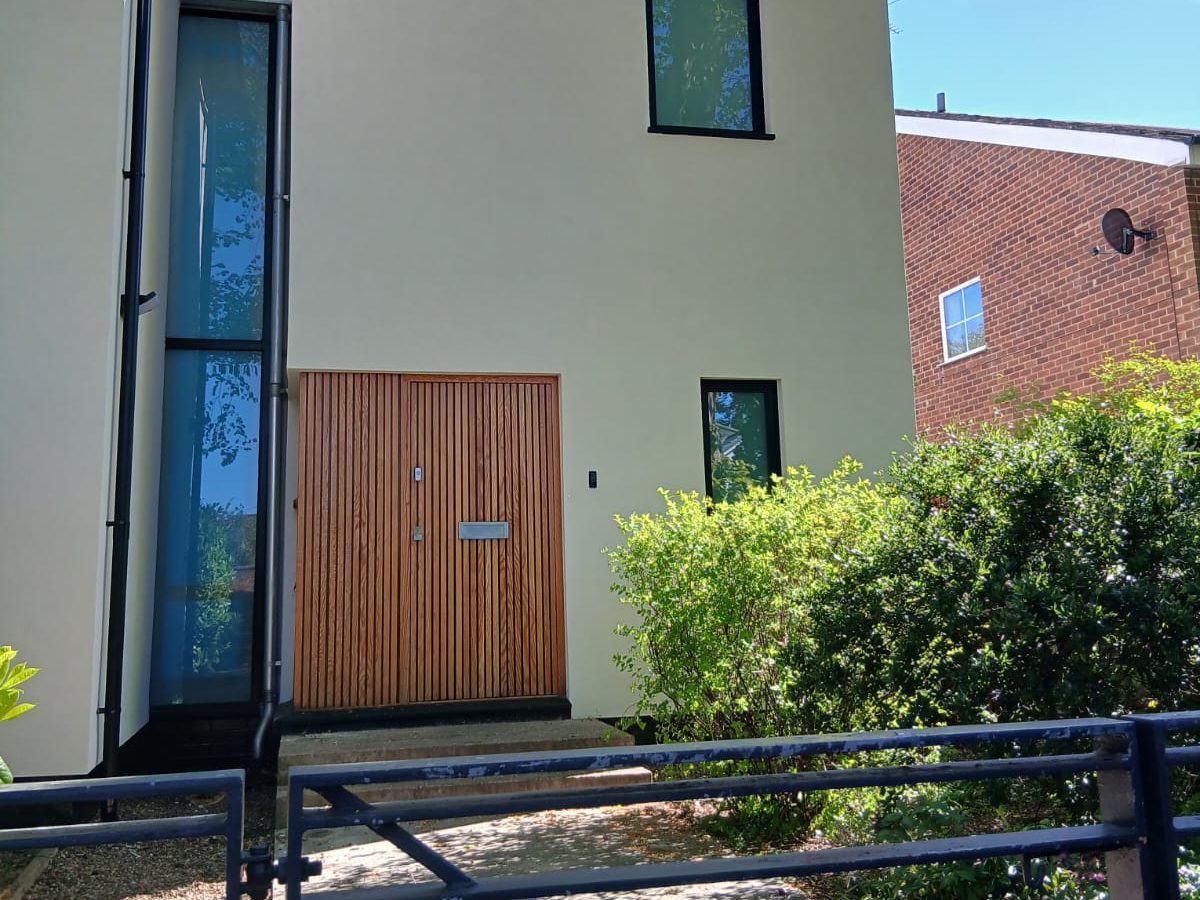 After the work
"Cobalt performed: External wall insulation, Loft insulation, Extensive render works and Six replacement windows during March & April/26 - all works were performed to a high standard and with great attention to detail, and both management and staff were responsive to our detailed requests. We are delighted with the visual result and hope to feel the effect of the insulation this winter. We would not hesitate in recommending Cobalt to anyone seeking similar works."
How can I reduce heat loss in my home?
The most effective ways to reduce heat loss in the home is to insulate your roof, walls and floors, as well as sealing any draughts around doors, windows and chimneys. Here’s an insight into our process.
Find the leaks
Identifying weak and vulnerable areas where heat may be lost needs to happen before anything else, achieved either by carrying out a DIY draught test or using a thermal imaging camera.
We use all the latest technology and innovations to reveal any hidden gaps you might have missed. Note, however, that heat is typically lost through the walls, roof, windows, floors and doors, so it’s best to start here when looking for cold spots.
Roof & loft
Approximately 25 per cent of all the heat lost at home occurs through the roof and loft area. If your roof is currently uninsulated, now’s the time to consider adding materials to keep the heat in, drive down demand and reduce energy bills.
If your home has a lived-in loft, damp issues or flat roofs, it can be tricker to achieve, which is why we’re here to help!
Floors
Here, we use a layer or insulation between your home and the ground to help reduce heat loss through the floor, which can account for between ten and 20 per cent of all escaping heat. This makes your home feel warmer and more comfortable, as well as reducing energy bills.
Typically, only the ground floor will need to be insulated, but if any part of the floor sits above a basement or another similarly unheated part of the house, insulating this will also help to reduce heat loss.
Walls
Up to a third of heat lost in domestic properties is through the walls. Cavity wall insulation involves filling the gaps between walls to help keep heat in, while solid wall insulation involves applying materials either on the outside surface or inside the walls themselves.
All walls are able to retain heat at home, but how good they are at this will depend on what they’ve been built with. We’ll be able to advise you on the best approach to take.
Ventilation checks
Once home insulation has been installed, it’s essential that ventilation is checked and evaluated throughout the property.
When homes are insulated, they become more airtight, trapping heat in to reduce natural air leakage. However, daily activities release litres of moisture into the air every day, which can lead to condensation, damp and black mould.
We make sure that there’s a good balance between heat retention and humidity control before we sign off on any work.
Renewable investments
Installing renewable heating and solar panels should always come after home insulation during a retrofit so that overall heating load is reduced. This ensures that you invest in the most appropriate renewable systems for your house.
The two approaches do work in tandem, however, so if it’s within budget, we typically advise clients to prioritise both solutions wherever possible.
Should insulation and ventilation be planned together?
Ideally, yes, home insulation and ventilation work should be carried out in conjunction with each other to protect the general health of your home.
Because you’re making your home more airtight with the insulation, trapped moisture can become problematic if not considered at the outset.
Planning the two together means you can prevent moisture damage, protect air quality by supporting proper airflow, avoid overheating your house during the summer months and ensure that you comply with all relevant building regulations when carrying out thermal upgrades.
How much does it cost to insulate your home?
Home insulation costs will depend on the type of insulation required, the size of your home and how it was constructed. You can expect to pay anything between £300 and £15,000, however.
Smaller mid-terrace properties, for example, will be more cost effective to insulate than a large detached home, which can see costs reach above £4,500 for cavity wall insulation.
Homes with cavity walls, meanwhile, are cheaper and quicker to fill, whereas properties with solid walls require more complex work, which inevitably pushes costs up.
Spread the cost over months, or over years.
Carry out essential home improvements with one of our finance plans, choosing between interest-free credit spread over 12 months on orders up to £70,000 or fixed-rate finance over three to five years. Applications go through Ideal4Finance, with full details provided before you commit.
Related services
Connected measures that often work well alongside this one.