Warm roofs and re-roofing, in Nottingham.
One of the most important features of any property is, of course, the roof. If this isn’t kept in a good state of repair, you compromise the health and wellbeing of the site as a whole.
The lifespan of a roof is approximately 50 years, depending on the material used. If you know that reroofing is something you will need to prioritise soon, it’s advisable to consider other energy-efficient home improvements at the same time.
Warm roof conversions could be hugely beneficial, where the main layer of insulation is positioned on top of the structural roof deck or rafters, with the aim being to maintain a warm and consistent temperature across the entire structure of the roof.
This is something that we’ve been helping Nottingham homeowners with since 2006. Here’s an insight into our process.
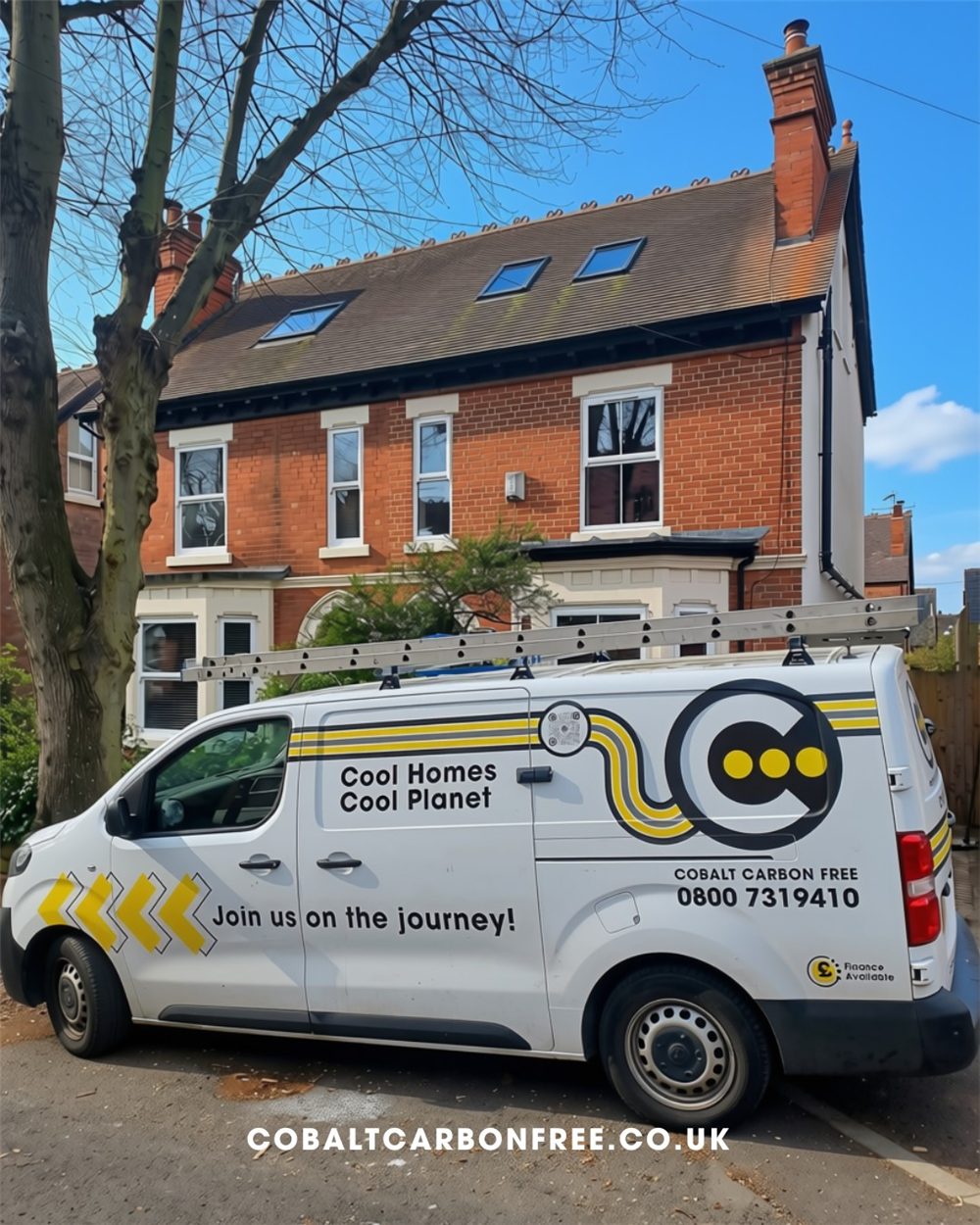
Guide range £80 to £140 per square metre pitched, or £90 to £150 per square metre flat
How do I know if my roof needs replacing?
Roofs over the age of 20 will likely start to show signs of wear and tear, manifesting in ways such as dipping or drooping roof lines, sunlight coming in through the roof boards in the attic, missing or broken tiles, widespread moss and mould, and constant leaks.
Reroofing can be treated as a whole roof project to ensure that any and all issues are dealt with simultaneously, with any damp problems traced back to the source rather than simply being patched up, insulation brought up to scratch and ventilation improved upon.
To this end, you may find that a warm roof installation is the most appropriate option, upgrading your home to meet modern building standards, bringing the roof structure into the insulated envelope.
It is also a particularly good option if your roof already needs major refurbishment or replacement.
Is a warm roof worth it?
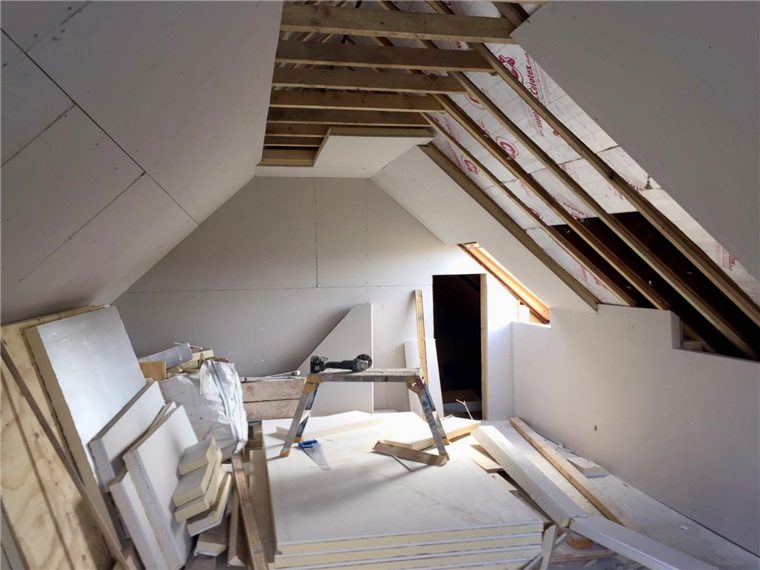
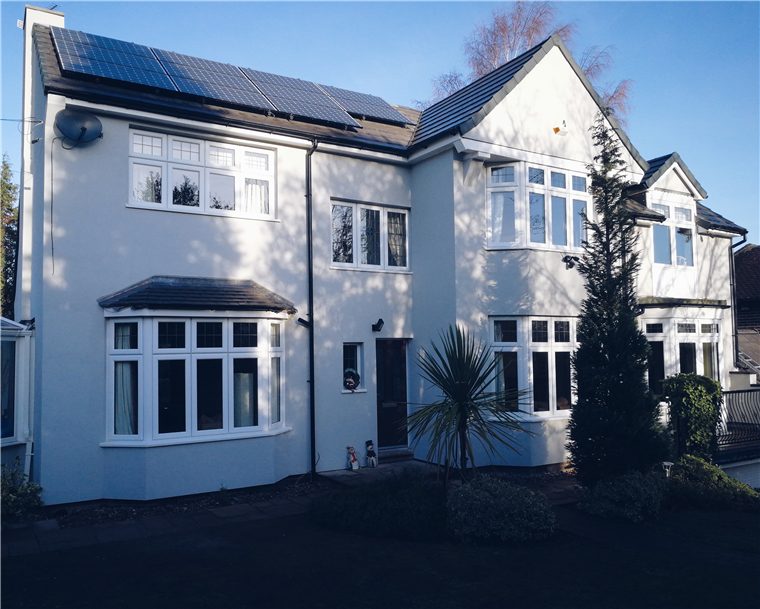
Cobalt structured a comprehensive retrofit plan that prioritised urgent re roofing and insulation before executing the full external wall wrapping and dormer transformation.
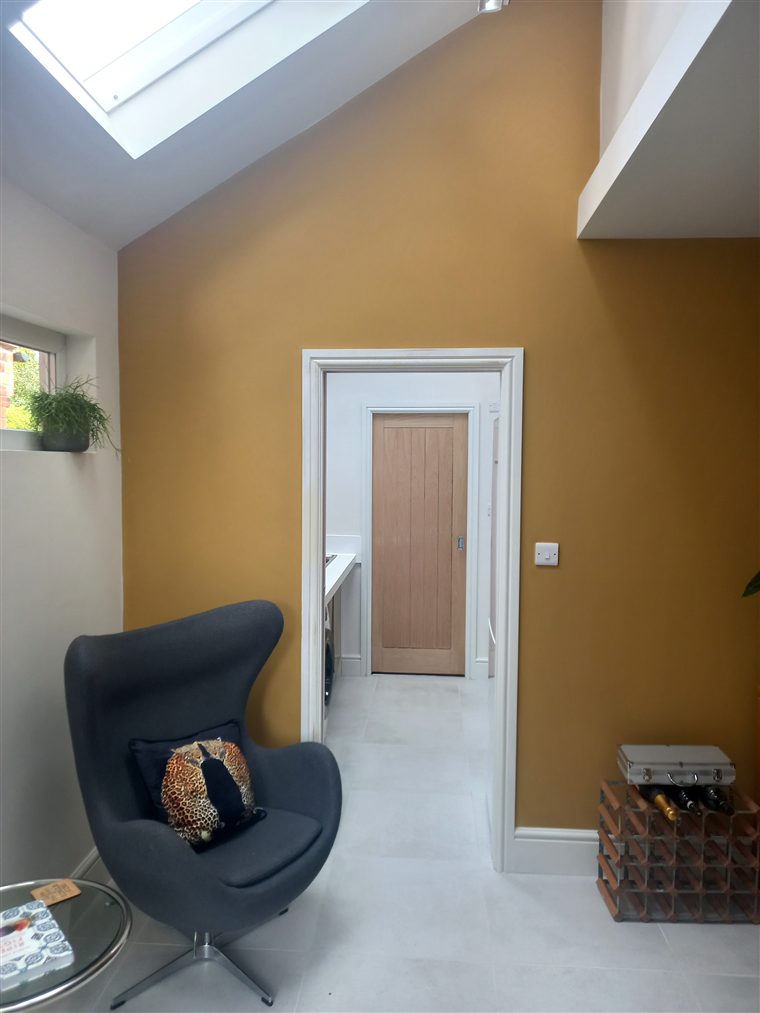
The project was a complete success, taking the property from a vulnerable, heat-leaking dormer bungalow to a fully wrapped, future-proofed home. By combining the new Warm Roof, super-insulated dormer render conversion, and seamless External Wall Insulation (EWI), Cobalt successfully sealed the entire building envelope against weather and extreme temperature shifts.
 During the work
 After the work
"The house looks completely transformed. Even with the work only recently completed, we’ve already noticed a massive difference in how consistent and balanced the indoor temperature feels, it kept the house wonderfully cool through a very hot summer, and now during these cooler autumn days, it holds the warmth effortlessly. Roll on winter, the house is all ready to go!"
What does warm roof installation involve?
Benefits of converting to a warm roof during reroofing work include improved condensation control, greater energy efficiency, increased roof longevity and less downtime, since you’ll be combining two separate projects into one.
Here’s how we plan such roof work at Cobalt Carbon Free.
Subdeck preparation
Here, we clear the existing structural timber deck and apply primer for strong bonding, then install a timber frame or timber battens around the edges of the roof. This secures the insulation and provides support for any fascias or trims that will be installed later.
Vapour control layer installation
The next step is to lay an air and vapour control layer over the deck, which prevents moisture from permeating the roof.
The membrane joints are sealed airtight, with the vapour barrier extended up any parapet walls or vertical perimeter curbs to the same height that you want the layer of insulation.
Install insulation materials
Insulation boards are laid down tighter together over the vapour barrier, butted up firmly against the perimeter upstands, with expanding foam used to fill in any small gaps. All top joints are also taped using compressive tape to ensure airtightness.
Top deck/weatherproofing installation
The final step involves installing an upper layer of plywood decking through the insulation then applying some kind of waterproof covering, such as EPDM, reinforced bitumen felt or fibreglass.
For pitched roofs, counter-battens and roof tiles are then laid directly over the external insulation layer.
Why choose a warm roof rather than insulating internally?
Warm roof design offers a range of advantages over internal insulation, including improved condensation and damp prevention because the entire roof structure remains within the warm heated envelope of the building.
There’s also no need for complex ventilation systems and thermal bridging is reduced, improving the energy efficiency of your home.
It’s an especially good option for loft conversions and habitable rooms in the roof void, with the rafters kept warm and functional without reducing interior room height.
How much does a warm roof cost?
Key cost factors to bear in mind when budgeting for the costs of a warm roof insulation project include roof size, accessibility, materials and whether you’re bundling the work in with a full reroof.
For a habitable loft with a pitched roof, for example, you can expect to pay between £80 and £140 per square metre of PIR boards, while a flat roof warm deck combined with a fresh waterproof membrane will set you back between £90 and £150 per square metre.
Spread the cost over months, or over years.
Carry out essential home improvements with one of our finance plans, choosing between interest-free credit spread over 12 months on orders up to £70,000 or fixed-rate finance over three to five years. Applications go through Ideal4Finance, with full details provided before you commit.
Related services
Connected measures that often work well alongside this one.