Solar and battery storage systems, in Nottingham.
Investing in domestic solar power systems is an effective way of reducing energy consumption and lowering electricity bills, saving you up to £350 annually by using the power generated to reduce your reliance on mains electricity.
It’s often advisable to invest in battery storage alongside your solar panels, allowing you to store excess energy that you can then use at night or when electricity prices are high, helping you to save even more money.
We’ve been working with trusted partners specialising in solar panel installation/battery storage systems across Nottingham and the surrounding areas since 2006.
If you’re considering solar investments, it can be beneficial to carry out other home improvements at the same time, including reroofing and roof conditioning, insulation, EV charging and any heating requirements you may need in the future.
Here’s how we help clients become more energy efficient over time.

How many solar panels do you need to run a household?
Most properties need between 15 and 25 solar panels to cover the full household electricity consumption, with modern residential systems typically producing between 350 and 450 watts of power.
Note, however, that homes with heat pumps, electric vehicle charging stations and facilities like swimming pools will need more panels to meet their energy demands.
In terms of aesthetics, when designed properly, solar panels work well with all styles of home, from period properties to contemporary dwellings.
Such projects can be launched under permitted development rights, but listed buildings and those in conservation areas would be advisable to seek planning advice early on in the process.
Are domestic solar panels worth it?
The homeowners contacted Cobalt with an ambitious long-term vision: to future-proof their home, lower their carbon footprint, dramatically improve indoor comfort, and transition toward clean, renewable heating and power.
Recognising that renewable energy systems require a high-performing building shell to work efficiently, they engaged Cobalt to undertake a thorough fabric-first diagnostic and design a comprehensive insulation and renewable energy strategy.
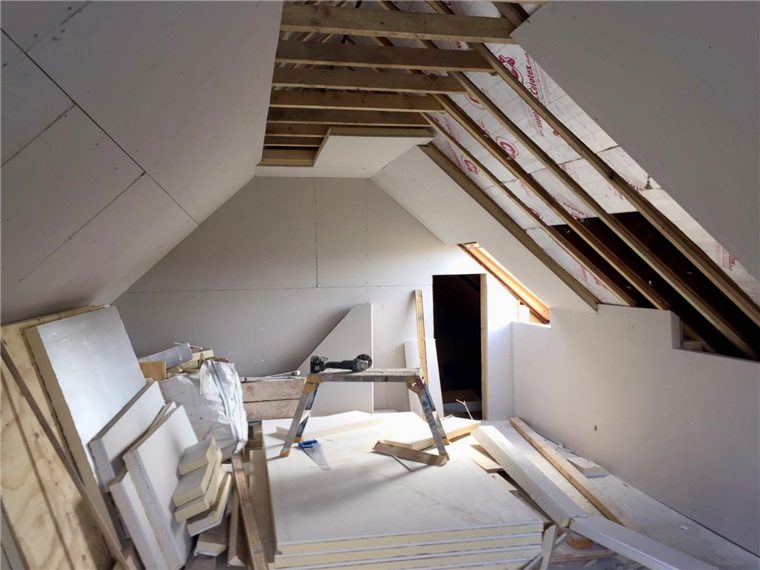
 During the work
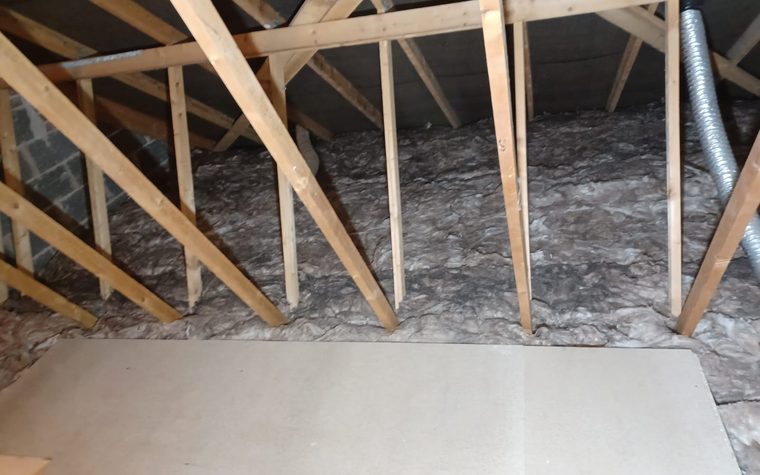
 After the work
Installed an in-roof solar PV system paired with battery storage to generate and retain clean power, driving down energy bills and simplifying daily household running costs.
How to stage solar panel installation work
To get the most out of your solar panel system, it’s advisable to combine the work with other home improvement projects.
Following a structured path will take you from initial property assessment and site survey to paperwork, scaffolding, roof work, renewables and electrical testing. Here’s how we stage the work.
Roof survey & repairs
No two roofs are the same and we carry out a full site survey before any work commences to fully understand what’s involved. The roof structure, coverings and fixings are thoroughly checked, with roof replacements carried out if necessary before we start to think about solar.
Insulation installation
Once we know what’s going on with the roof, we’ll have a better idea of the insulation requirements of the loft space. If necessary, we can fully insulate this part of the house to reduce heat loss.
A well-insulated home also means you’ll be able to invest in a smaller and cheaper renewables system.
Ventilation
Whenever insulation changes are made in a property, it’s essential to factor ventilation in from the outset to ensure that no moisture becomes trapped, as this can lead to condensation, mould and damp. This is something we prioritise as standard practice.
Renewables & heating
Once all the other aspects are in place, you’ll know what size panels, inverter and battery you need to suit the energy demands of your household.
This is also a good opportunity to consider other energy-efficient measures, such as heat pumps, keeping even more of your power on site.
What is the 20% rule for solar panels?
This is a sizing guideline that advises you to design your solar system so that it produces 20 per cent more energy than the average consumption of your home to safeguard you against any power losses in the future.
This buffer is important because daily output can be reduced by changes in the weather, the seasons, shadows being cast over the panels and spikes in demand.
To calculate this, work out your average monthly energy use in kilowatt hours, then multiply it by 1.2 to find the 20 per cent margin. We can help with this, of course, so don’t hesitate to ask the team if you need any guidance or advice.
Spread the cost over months, or over years.
Carry out essential home improvements with one of our finance plans, choosing between interest-free credit spread over 12 months on orders up to £70,000 or fixed-rate finance over three to five years. Applications go through Ideal4Finance, with full details provided before you commit.
Related services
Connected measures that often work well alongside this one.