Loft insulation, in Nottingham.
Homes lose approximately 25 per cent of their heat through the roof and loft space, so prioritising loft and roof insulation is a very effective way of reducing heat loss and driving down energy costs, with such work boasting a lifespan of around 40 years.
Here at Cobalt Carbon Free, we specialise in home insulation services of all kinds, having kept homes around Nottingham snug and cost effective to run since 2006.
We not only work on the roof and loft spaces, but also sloped ceilings, flat ceiling areas, landings and hallways beneath complex roof shapes, so don’t worry if you have something potentially tricky on your hands.
Here’s how we approach home improvement projects of this kind.

Guide range £900 to £5,000, depending on the size and type of house
Are roof insulation and loft insulation the same?
It’s often a common misconception that these two approaches to home insulation are the same, but there are some key differences to be aware of.
Loft insulation involves placing insulation materials over and between the horizontal floor joists, which helps to trap heat below and keep living areas warm. This strategy keeps the loft space itself cold, so it would only be suitable for storage use.
Roof insulation, meanwhile, sees insulation materials placed between or beneath the rafters and eaves. This creates a warm roof space, which allows for the loft itself to be turned into a habitable room.
Roof/loft insulation: Low maintenance & long lasting
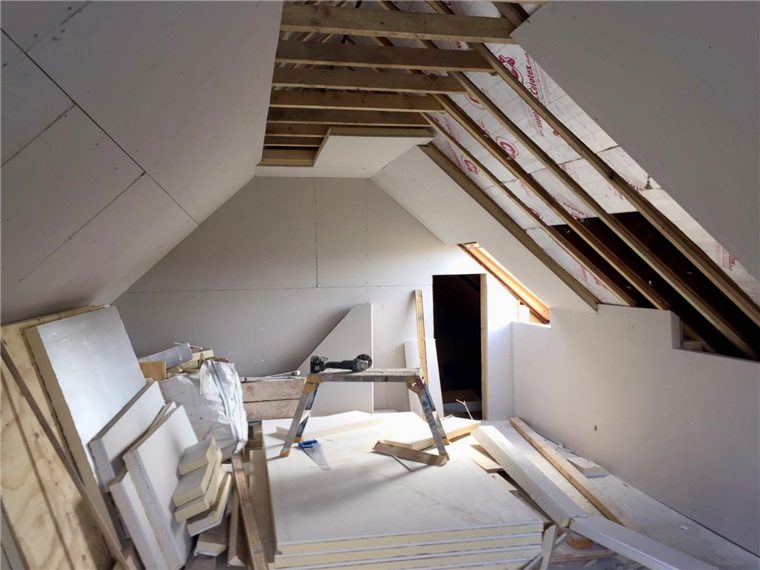
Shortly after moving in, the new homeowner noticed significant heat loss and cold spots upstairs. Upon inspecting the loft, they discovered a haphazard, unsafe, and severely degraded insulation setup left behind by previous occupants.
They contacted Cobalt for a complete overhaul to eliminate heat loss, secure their loft storage, and ensure the roof space was safe and fully ventilated.
 During the work
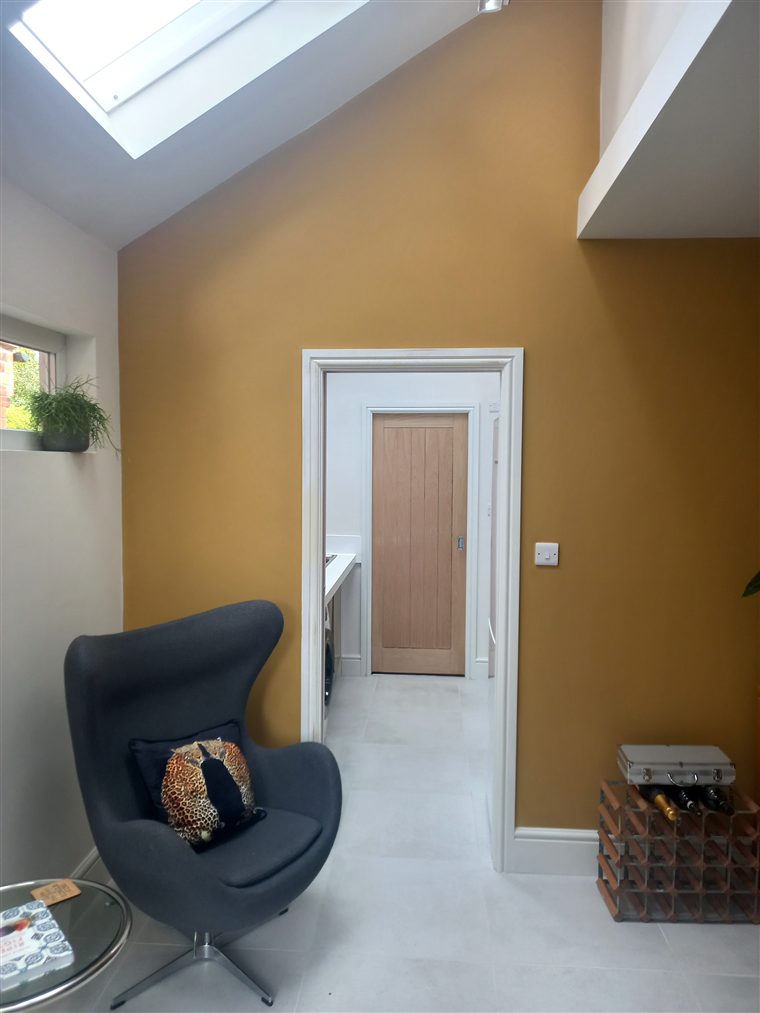
 After the work
The full strip-out, safety overhaul, cross-layer insulation, hatch replacement, and raised boarding were completed in just 2 days by a 2-man installation team.
Key installation details not to skip
Laying down insulation is the easy part, but you actually want the work to be effective. To this end, it’s essential that certain aspects of the job are not forgotten about. Here are just four common steps that often get neglected.
The loft hatch
If loft hatches are left unsealed and uninsulated, warm air will go up through it and cold air will come back down. Get around this by fixing insulation to the back of the hatch door and seal around the edge to ensure that it closes completely.
Downlights
While they look great, recessed ceiling lights are open holes cut into the loft. Because older fittings are likely to get hot, you can’t lay insulation over the top. Proper covers are required to form an air seal and ensure fire safety compliance if you want to run insulation across the top.
The water tank & pipes
It’s easy to forget about your water tank and pipes, but insulating them is advisable to prevent freezing during the winter, as well as reducing your carbon footprint and saving you money.
Avoid lagging beneath the tank, however, as this will stop warmth coming up from the house below, which also helps prevent freezing.
Boarding
A boarded loft is very useful, but do make sure that you raise the boards up on a frame so that you’re not squashing your insulation, which will stop it from working. Using a frame ensures that the insulation remains intact, while giving you a more practical space.
Will loft insulation cause damp or condensation?
Generally speaking, no, loft insulation won’t cause damp or condensation - as long as it’s been installed properly!
An air gap of at least 50mm is required to ensure proper ventilation and stop moisture from building up. If moisture becomes trapped, it can lead to condensation which, in turn, can cause mould, rot and damp.
Providing a clear channel in the loft space allows air to circulate, keeping the roof structure dry. It also stops heat from the home warming the roof deck, which can lead to ice dams in colder climates.
We carry out a full assessment of the space to ensure that there are no existing issues that need to be resolved before any work can begin and to develop a clearer idea of the scope of the job.
How much does it cost to insulate a loft roof?
As with any home improvement project, professional loft or roof insulation will depend on the size and type of your house. You can expect a typical price range of between £900 and £5,000, however.
Furthermore, costs will also depend on the type of material you choose. Blankets and rolls cost up to £40 per square meter, loose-fill up to £22 and sheet or PIR foam boards approximately £35.
Spread the cost over months, or over years.
Carry out essential home improvements with one of our finance plans, choosing between interest-free credit spread over 12 months on orders up to £70,000 or fixed-rate finance over three to five years. Applications go through Ideal4Finance, with full details provided before you commit.
Related services
Connected measures that often work well alongside this one.